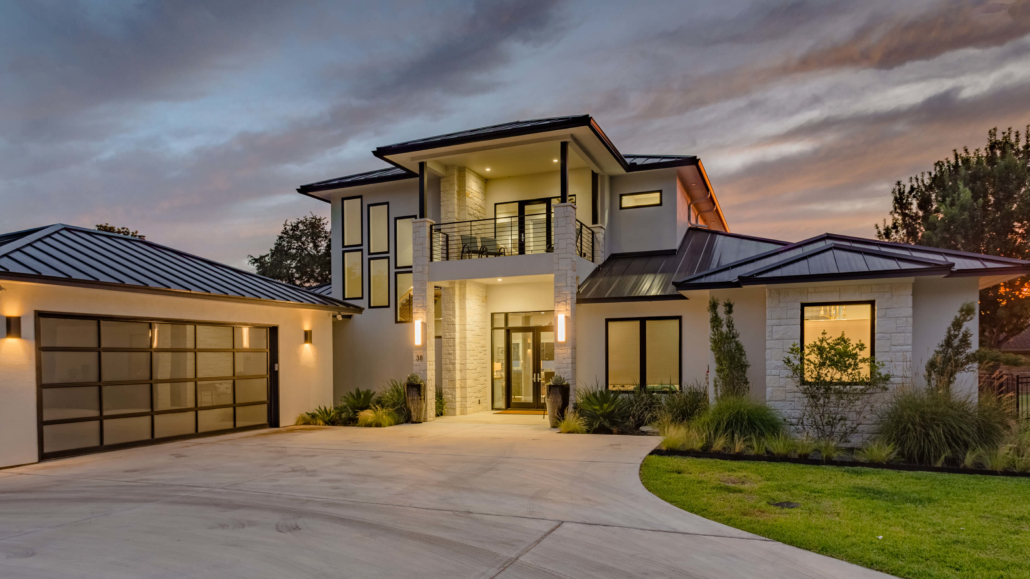
Architecture in context
Georgetown Real Estate Photography
A Georgetown listing needs photographs that explain the home as well as they capture its character.
The facade may be the first thing someone notices, but the gallery should quickly reveal what lies behind it. Establish the living spaces, kitchen, bedrooms, and outdoor areas in a useful order. For an older home or a property with distinctive finishes, add the details that help a viewer understand its identity without losing the floor plan in a collection of close-ups.
Work with the light, not against it.
Bright windows and darker rooms call for careful exposure and finishing. HDR photography combines exposure information to hold useful detail across that range. The goal is believable light, consistent color, and clear rooms—not a heavily processed appearance or a view through a window that misrepresents the property.
Discuss the rooms that matter most and any daylight or exterior timing concerns before the session. If twilight would add useful information, ask about an on-location session or digital conversion; they are different services. Changes to sky, fireplace appearance, or furniture should be agreed upon and represented honestly.
Keep the home separate from the community story.
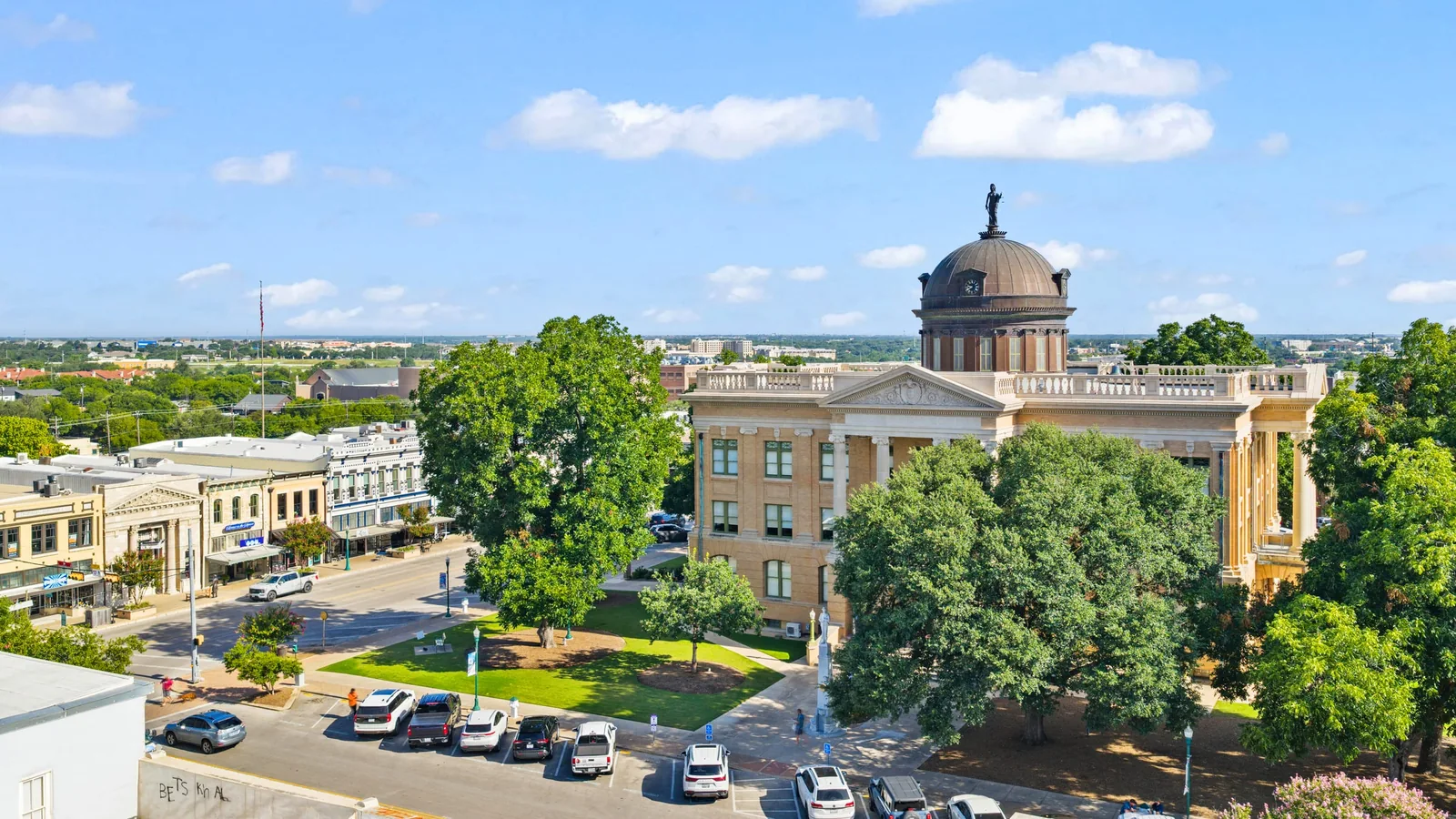
This article’s Georgetown references include the Williamson Museum and Inner Space Cavern. Use current, verified community information where it is relevant to the listing. Do not imply that a property photograph proves a particular distance, view, or amenity entitlement.
The property film below offers a different way to follow the spaces. Still photographs allow a viewer to pause over a room; motion can connect those rooms into a sequence. A real estate film or interactive tour should be chosen around what the listing needs to explain.
Make the shoot day straightforward.
Complete staging and cleaning before arrival, clear counters, open the rooms on the shot list, and provide access instructions. Photographing an occupied home is easier when the seller, agent, and photographer agree on which items should remain visible. Our preparation checklist helps make those decisions in advance.
Request the file sizes needed by your MLS, print materials, and website. Confirm slideshow options, delivery method, special edits, and travel in the booking quote. The current Pricing page supplies today’s packages and typical photo turnaround; old package prices or unconfirmed 24-hour promises should not set the schedule for a new listing.
A useful plan
Make every part of the set count.
01 / Structure
Explain the rooms.
Choose establishing views before filling the gallery with details.
02 / Light
Keep a consistent finish.
Balance bright and shaded areas while retaining a believable appearance.
03 / Sequence
Connect the experience.
Pair useful stills with a film or tour when movement adds information.
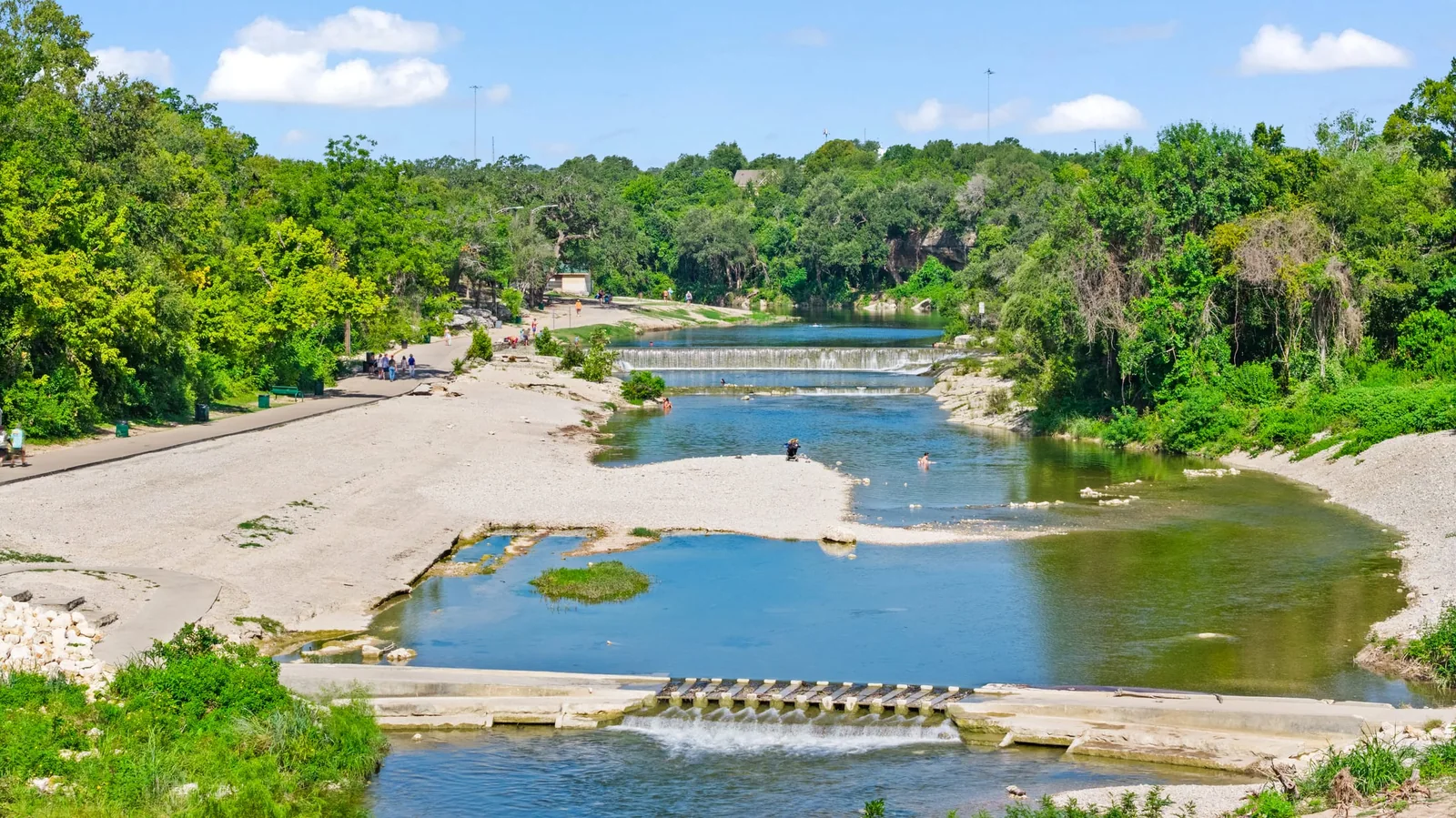
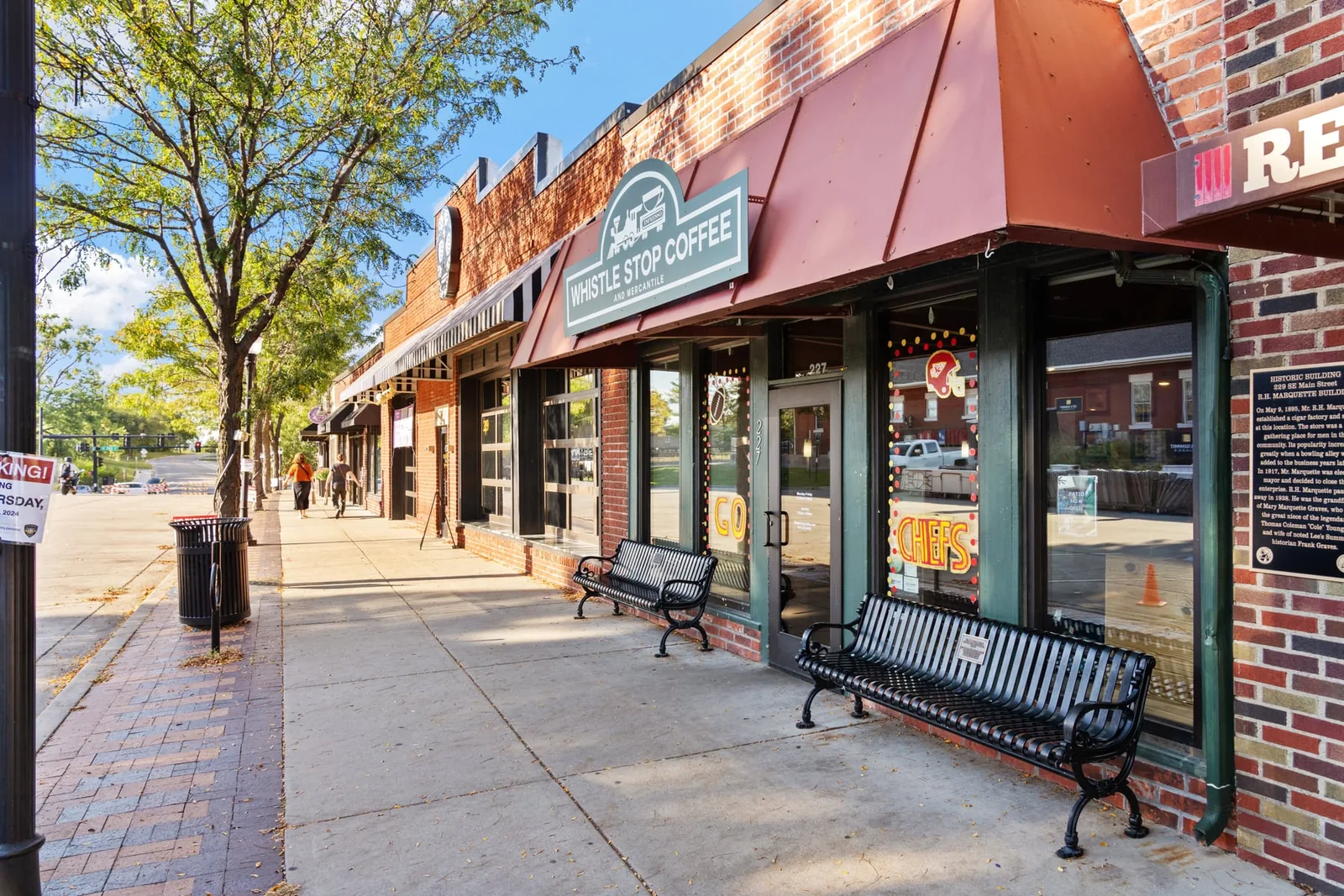
Community perspectives
A community, from more than one angle.
Current residential photo options
Choose the coverage that fits.
- Basic
- $19525 photos
- Fill the MLS
- $27540 photos
- Just Aerial
- $2508–12 aerial photos
Typical photo delivery is 1–2 business days. Confirm the address, travel, special edits, and any additional media in the final quote. See current pricing and add-ons or ask about your project.
From architecture to detail
Present the home with clarity.
Photography that lets the rooms and their details work together.