A look back at a forecast
Zillow’s 2020 Austin Forecast: What It Predicted and What Followed

Zillow’s January 2020 forecast named Austin the market most likely to outperform national home-value growth among the large markets in its expert survey. It was a forecast for 2020, based on opinions collected in late 2019. It should not be read as a claim that Austin is the hottest housing market today.
The year-end report later showed Austin home values rising faster than the national figure. That supports a narrower conclusion than “Austin won”: the market outperformed nationally in that report, while another major metro recorded stronger growth.
What the forecast actually measured
Zillow’s January 2, 2020 release drew on responses from 110 economists and real estate experts surveyed from October 30 through November 14, 2019. Respondents considered 25 large markets and whether each would outperform the national home-value growth they expected.
For Austin, 83% expected above-national growth, 10% expected roughly the same pace, and 7% expected below-national growth. The net score was therefore 76 percentage points: 83 minus 7. That score summarized expert expectations; it was not a forecast that Austin home prices would rise 76%.
What the year-end report showed
In Zillow’s December 2020 market report, published January 22, 2021, Austin’s typical home value was up 12.9% from a year earlier, compared with 8.4% nationally. Phoenix was up 15.3%. Those as-published figures show Austin exceeding the national pace without establishing it as the strongest of all major markets.
These are home-value index changes, not the percentage change in a median asking price. Keeping the measure consistent matters when comparing this retrospective with another account of the same year. Historical data series can also be revised, so these figures should be read as the values reported in that release.
Why the forecast and the result are different kinds of evidence
The survey recorded what respondents expected before 2020 began. The year-end report measured what Zillow’s index subsequently showed. Comparing them is useful, but it does not turn the survey into a promise or establish that the experts anticipated every event affecting the market.
The same distinction applies when reading a new housing headline. Look for the date of the prediction, the period covered, the geography, and the metric. A forecast about relative growth can be accurate in one respect without correctly identifying the highest-growth market or predicting an individual property’s sale price.
Keep the historical story separate from a current listing
A 2020 outlook cannot set the asking price for a property being listed now. Current comparable sales, condition, competing inventory, and the relevant neighborhood or property type provide a different set of questions. A headline about the whole Austin area also may not describe the particular market segment a buyer is considering.
For recent local reporting, use Unlock MLS market statistics and our dated Austin market analysis. Read the period printed beside each figure before comparing it with an older story. For property marketing, describe the home and its setting accurately instead of attaching a historical “hottest market” label to a present-day listing.
See our real estate photography service when you are ready to prepare current, property-specific marketing.
In perspective
What matters most.
January 2020.
Read the prediction in the year it addressed.
Expectations, not outcomes.
The survey recorded opinions about growth relative to the U.S.
Consult fresh data.
Use local monthly reports for a present-day decision.
Selected portfolio
Portfolio views, not market indicators.


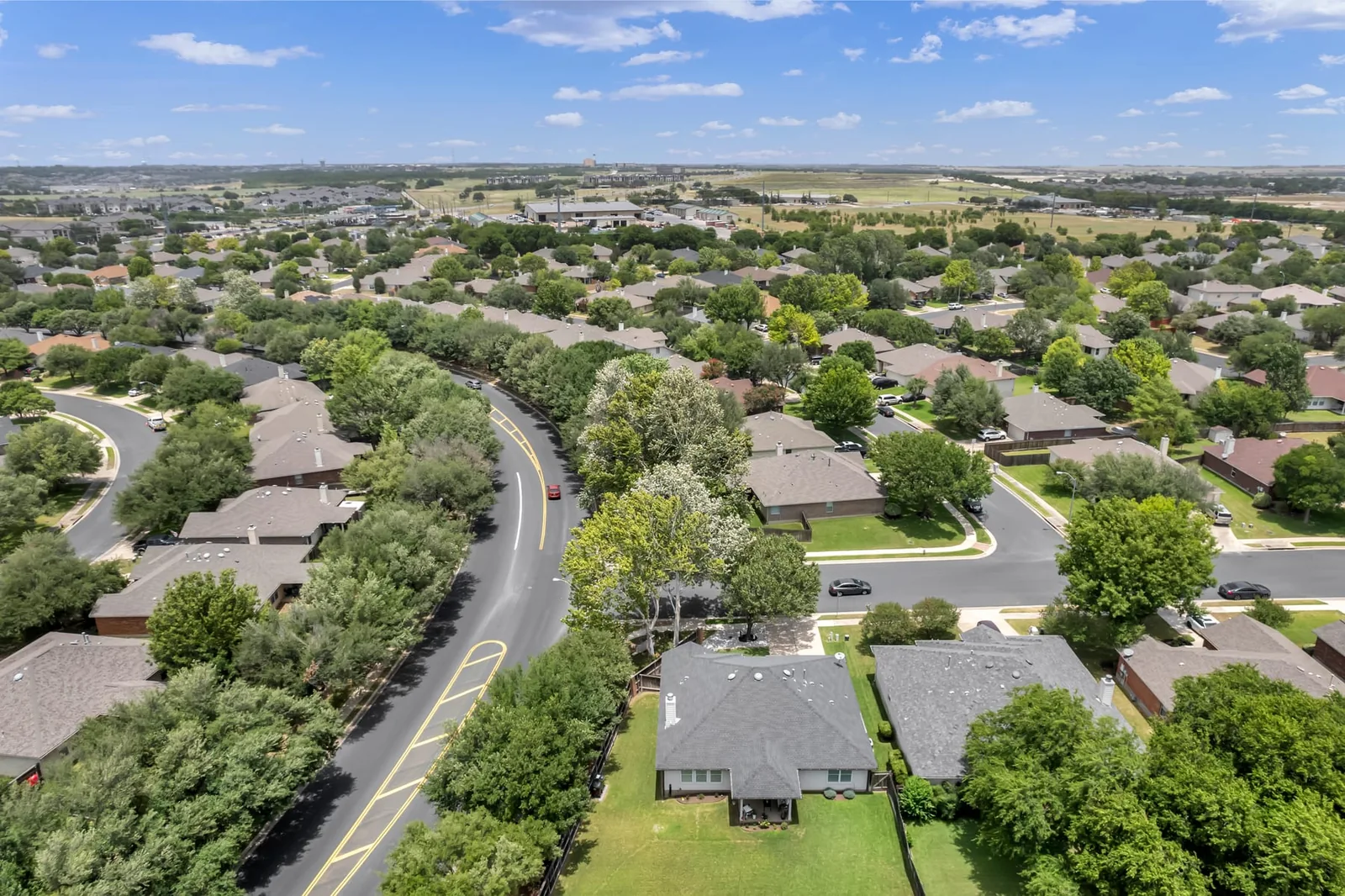
These are Austin 360 portfolio images. They do not depict Zillow survey respondents or establish market performance.
Explore property media
Show the home in its own light.
Plan a clear listing presentation around the actual property.