The craft behind the image
Is Real Estate Photography Hard?
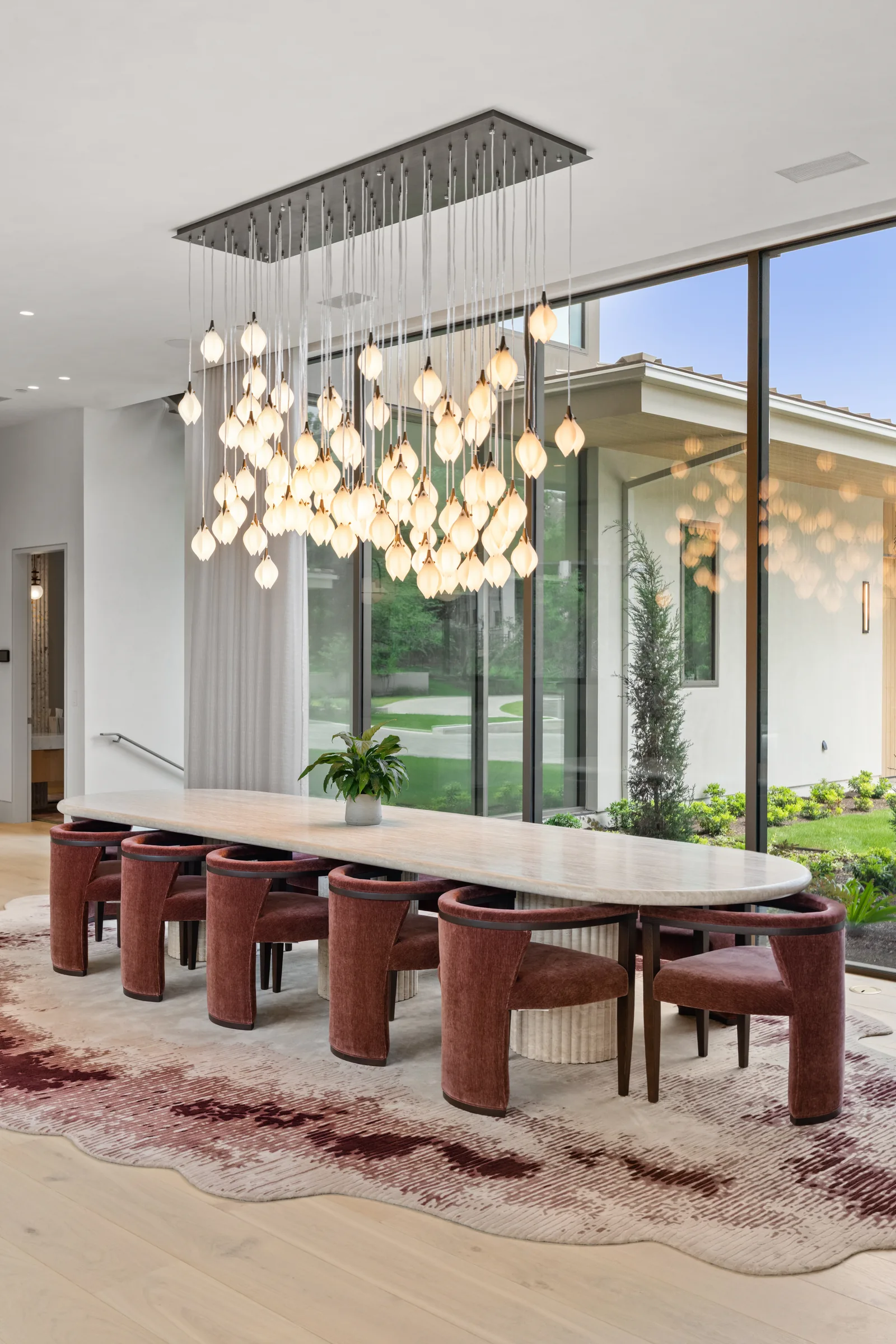
Real estate photography can be difficult because a photographer must explain an entire property accurately under changing light, space and scheduling constraints. Making one attractive room photograph is a useful start. Delivering a consistent gallery of every agreed space, on time, is the broader skill.
A difficult room, worked through
Imagine a small living room with a bright window, warm ceiling bulbs and a mirror opposite the doorway. This is a hypothetical practice exercise. Begin by choosing what the frame needs to explain: seating space, the window position and the route into the next room. Do not make the lens as wide as possible simply to include everything.
Move the camera to test whether a less extreme viewpoint preserves the room’s proportions. Keep vertical edges controlled. Check the mirror for the photographer, equipment and distracting reflections before capture. A second, complementary view may explain the room more honestly than one stretched frame.
Then address the difference between the bright window and darker interior. Test an exposure strategy and, if your workflow uses it, additional lighting or multiple exposures. Review the result for believable window detail, natural-looking brightness and consistent color. A warm lamp should not turn every white surface orange, but finishing should not replace the actual view or erase fixed features.
Preparation is part of the challenge
The owner or agent should arrange access, finish cleaning, clear personal information and make the agreed spaces ready. Furniture moves and physical staging should be completed before the appointment. Austin 360 photographs the property as presented; the service terms explain appointment responsibilities.
The photographer’s preparation includes checking the brief, access arrangements and shot order, then bringing the equipment needed for the agreed scope. If a room is inaccessible or unfinished, discuss the missing view instead of silently substituting a different deliverable.
Virtual staging is a separate request for an altered image, not a way to physically prepare the room. Agree on the edit and how it will be identified before publication. Any platform-specific disclosure requirement should be checked for the actual publishing destination.
The work continues after capture
A gallery can contain individually attractive images and still feel confusing. Select a logical sequence, avoid redundant angles and make color and brightness consistent enough that adjoining rooms remain recognizable. Check edges, reflections and exports at a useful viewing size before delivery.
A professional brief also sets expectations for travel, weather changes, file delivery, revisions and use rights. Name specialty media separately. If the client asks for additional rooms or another visit, revisit the scope and timing rather than assuming those tasks fit the original appointment.
A practical learning sequence
Start with one room and repeat it under different light. Compare viewpoints and explain what each image communicates. Next, photograph a small, complete property with permission: exterior, main rooms, secondary spaces and outdoor context. Edit it as one gallery rather than choosing only your best individual frame.
Ask a reviewer to identify missing spaces, confusing transitions and any image that makes the property look inaccurate. Revisit those problems. Track preparation, capture, editing and export time so your next practice brief has a realistic schedule.
Only then add another workflow, such as video or a tour, and evaluate it separately. New equipment does not solve an unclear shot list. The beginner’s photography guide can help you check what a finished property gallery should contain.
Browse our portfolio with the full-gallery test in mind: what does each image add?
A practical way to begin
A few things to keep in mind.
Control the light.
Balance interior and exterior without making either false.
Choose the views.
Show enough to explain the property, not every possible angle.
Deliver usable files.
Clear scope and consistent exports matter.
Selected portfolio
The work behind a clear frame.
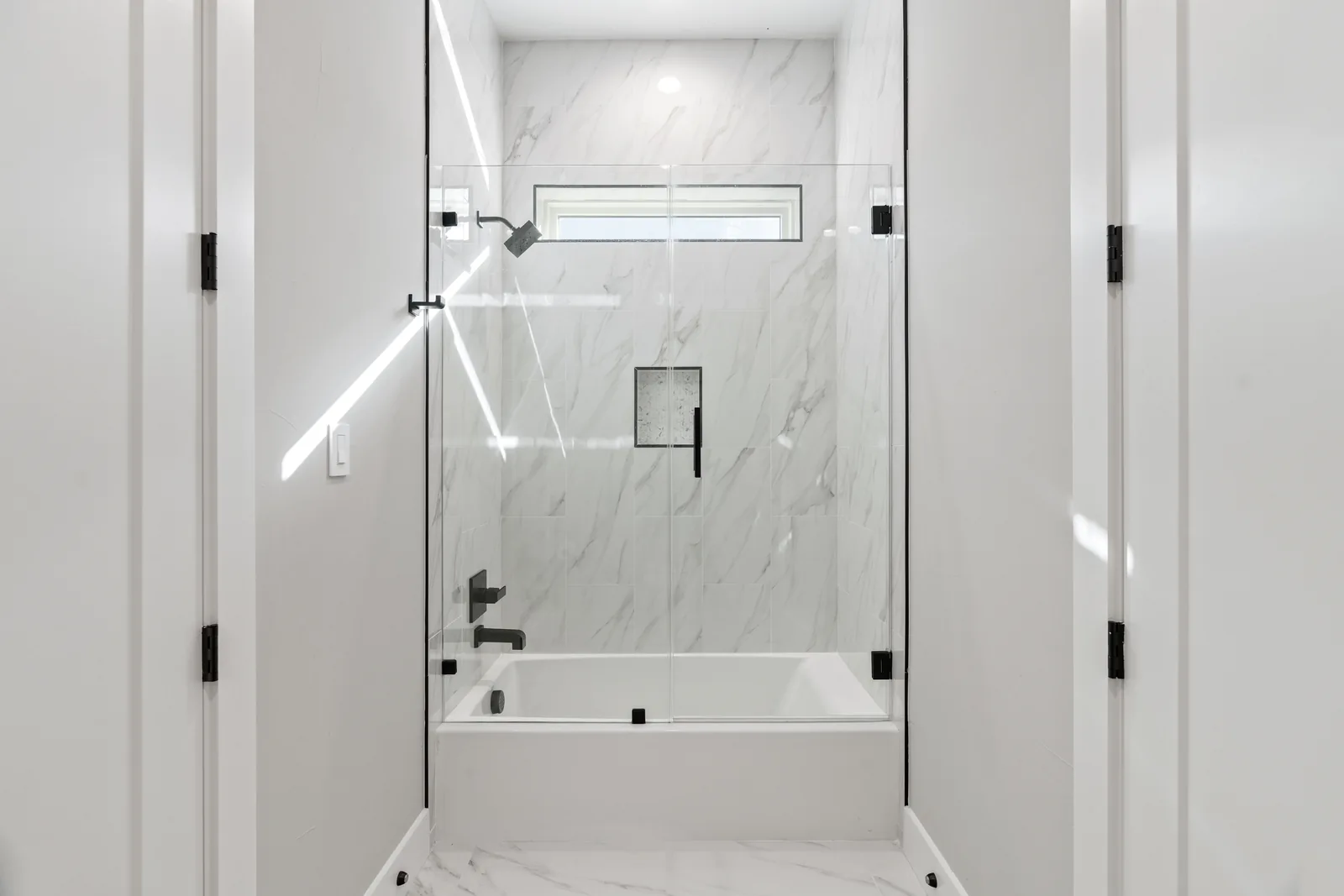
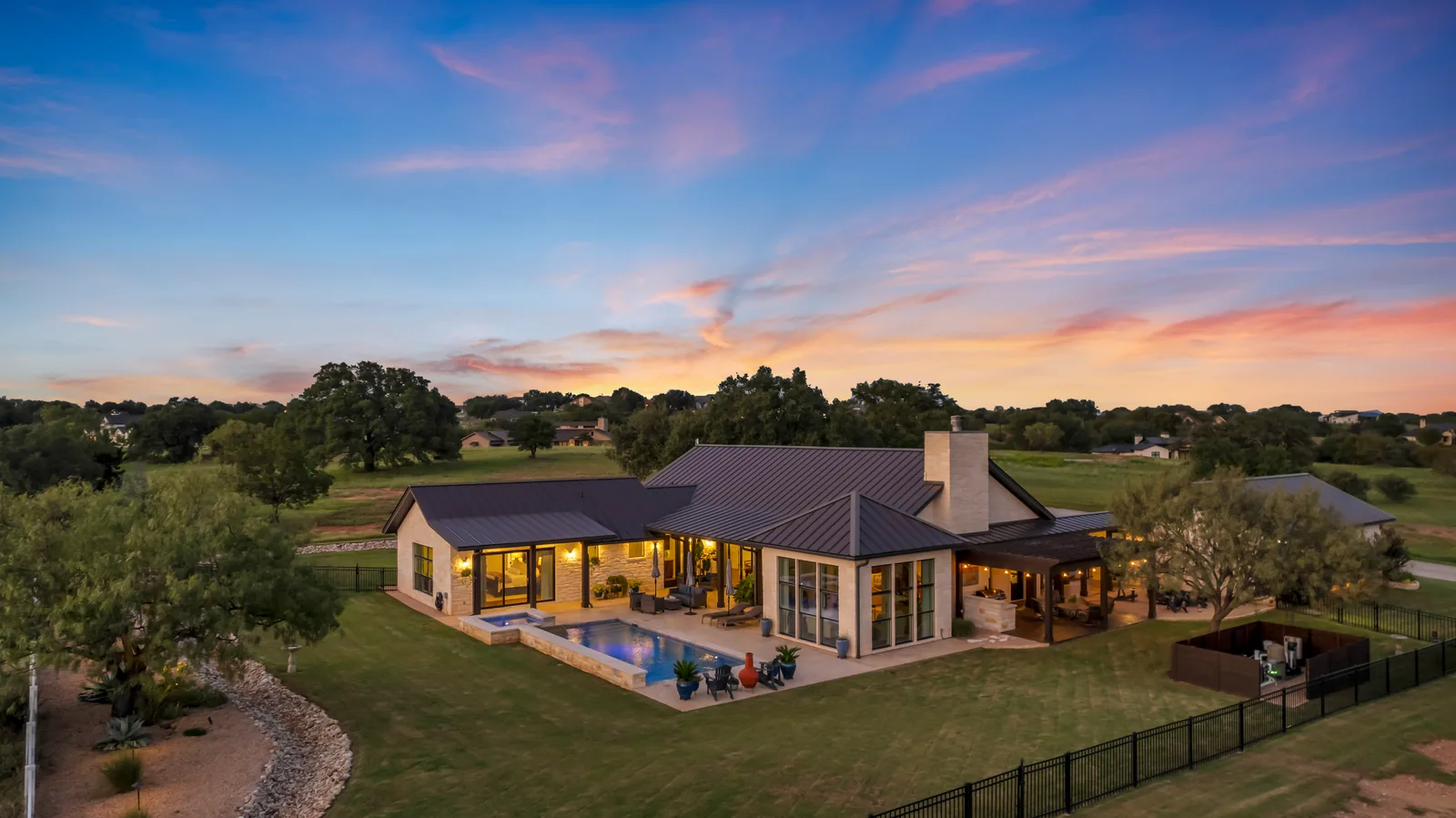
Different properties call for different lighting, composition, and coverage choices.

Your next project
Make the difficult rooms feel clear.
We can plan around windows, scale, and the details buyers will want to understand.