A clear introduction
What Is Real Estate Photography?
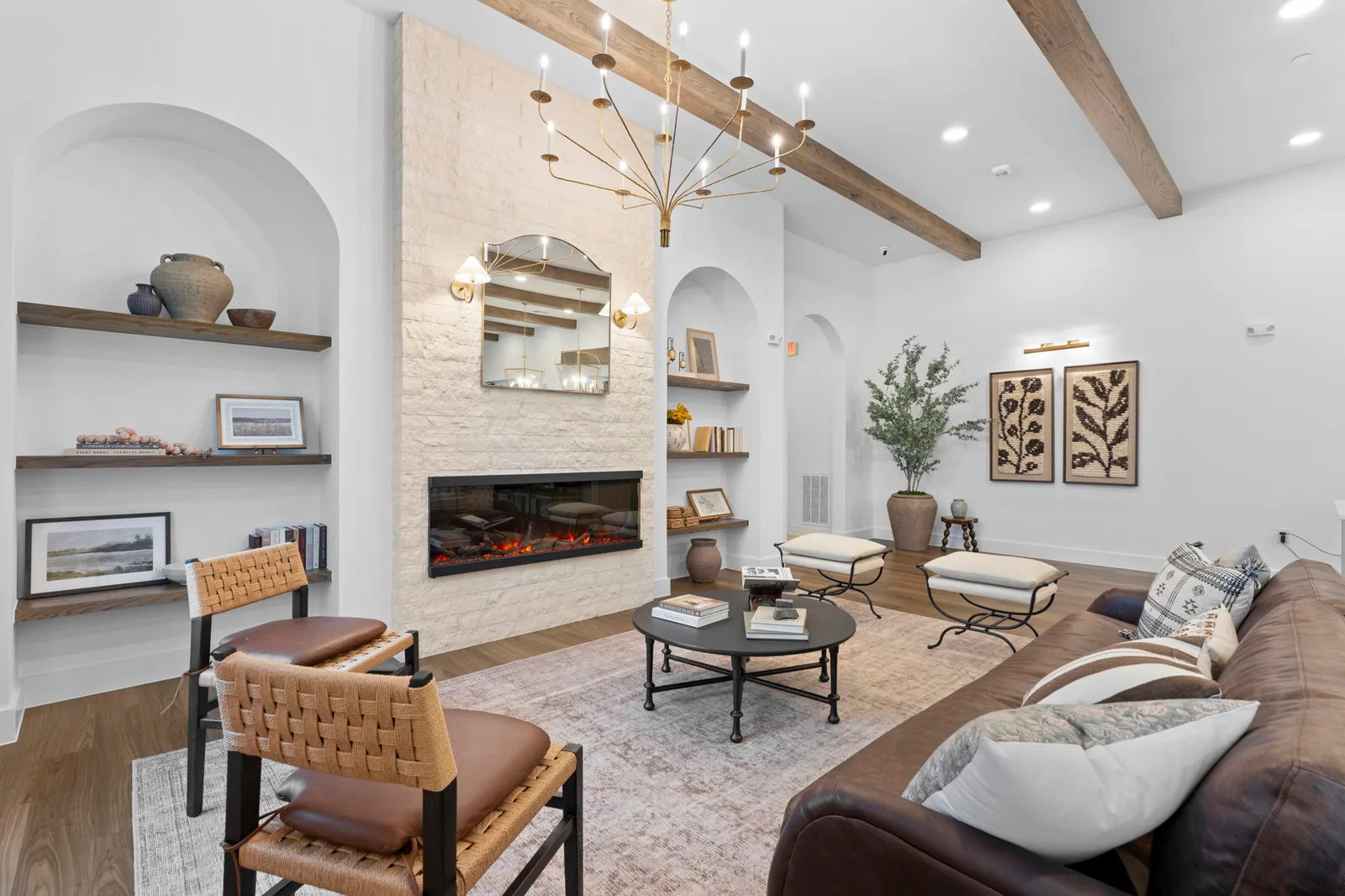
Real estate photography is the planned creation of property images for sale, lease or business marketing. It shows a building’s spaces, features and setting in a sequence that helps someone understand the place before visiting. A finished gallery includes decisions about composition, light, editing and file delivery as well as the camera work.
What the common shot types communicate
Exterior and approach: identify the building and show how someone reaches it. A front view and an entry view may answer different questions. Include the surroundings needed to understand the property without allowing an unrelated landmark to become the subject.
Core rooms: show the main living, working or shared spaces with enough context to understand their use. An overview normally does more introductory work than a close photograph of furniture. Supporting rooms complete the picture once the viewer is oriented.
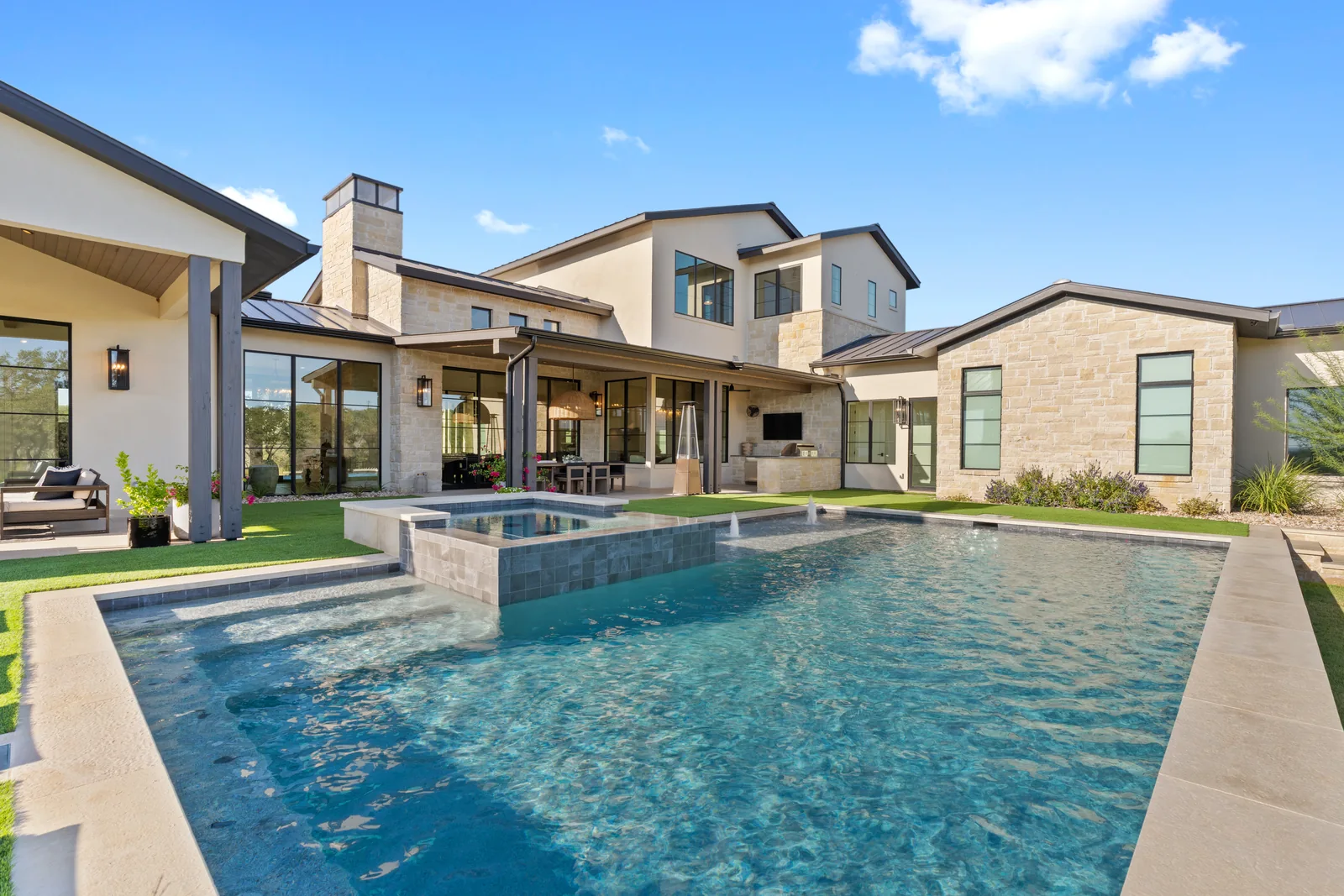
Outdoor amenities: show an actual patio, pool, garden or shared area and, where possible, its connection to the building. Identify community amenities accurately instead of suggesting they belong exclusively to a photographed unit.
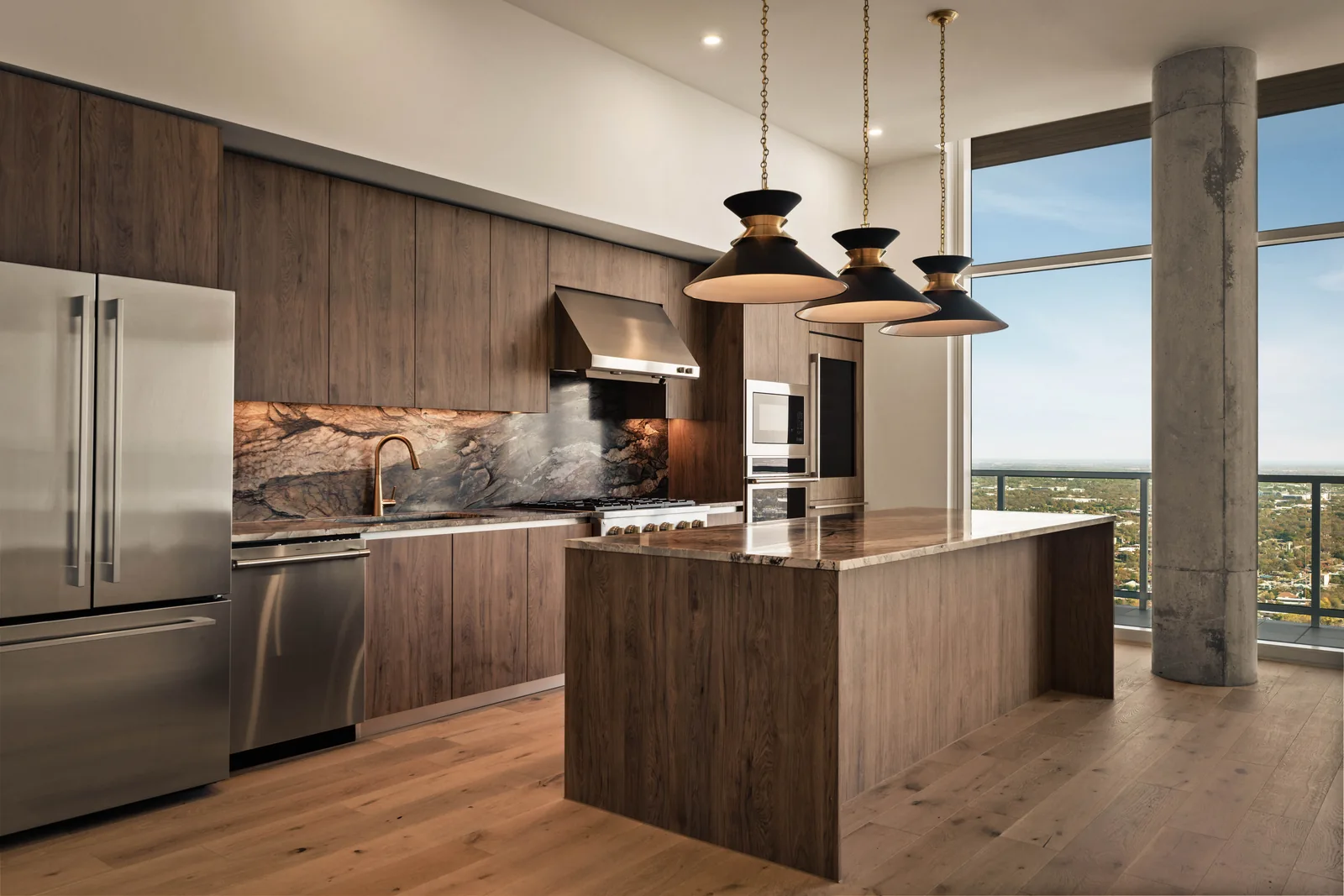
Distinctive details: use a closer image for a feature that deserves attention, such as built-in cabinetry or a material finish. Pair it with an overall view so the detail has a location.
Twilight: an exterior captured around dusk can show the relationship between exterior lighting and the building. An on-location twilight session and a digital twilight conversion are different products; identify the treatment rather than implying an edited image records an actual moment.
The workflow from brief to finished files
First, define the audience and the spaces to cover. A prospective homebuyer, commercial tenant and future apartment resident may need different information. Agree on the shot list and planned use before deciding what belongs in the gallery.
Next, arrange access and prepare the property. Capture the agreed views, then select images that form a coherent sequence. Finishing can include exposure balancing, color correction, perspective correction and consistent exports. These decisions should preserve a truthful understanding of the property rather than inventing a view or disguising a permanent feature.
Finally, check the delivered files against the brief: required rooms, image count, intended formats and special edits. Supply the destination’s current upload requirements instead of assuming that one file specification works for every MLS, website and print piece.
One checklist does not fit every property
For a home, a useful sequence might connect the front approach, living room, kitchen and backyard. For an office, the entrance, work areas and circulation may matter more. For an apartment community, model-unit photographs and shared-amenity photographs are separate parts of the story.
These examples describe different information needs, not a rigid image quota. A complete set represents the spaces in the brief. It does not need a photograph of every decorative object or several near-identical views of one room.
How still photography relates to other media
Aerial photography is still photography from an elevated viewpoint and may be ordered separately from ground-level coverage. Video adds a directed sequence of movement. An interactive 3D tour gives viewers control over where to look within the captured space. Those formats supplement a still gallery with different ways of understanding the property.
Our property media guide explains when each format is useful. Check current packages for the actual inclusions, delivery scope and optional work; an article describing a format does not make it part of every booking.
View real estate photography examples to see how the individual images work together.
A practical way to begin
A few things to keep in mind.
Define the property.
List the rooms, exterior areas, and audience.
Show the relationships.
Use views that explain how spaces connect.
Make files useful.
Deliver accurate images sized for the intended channels.
Selected portfolio
From room to whole property.
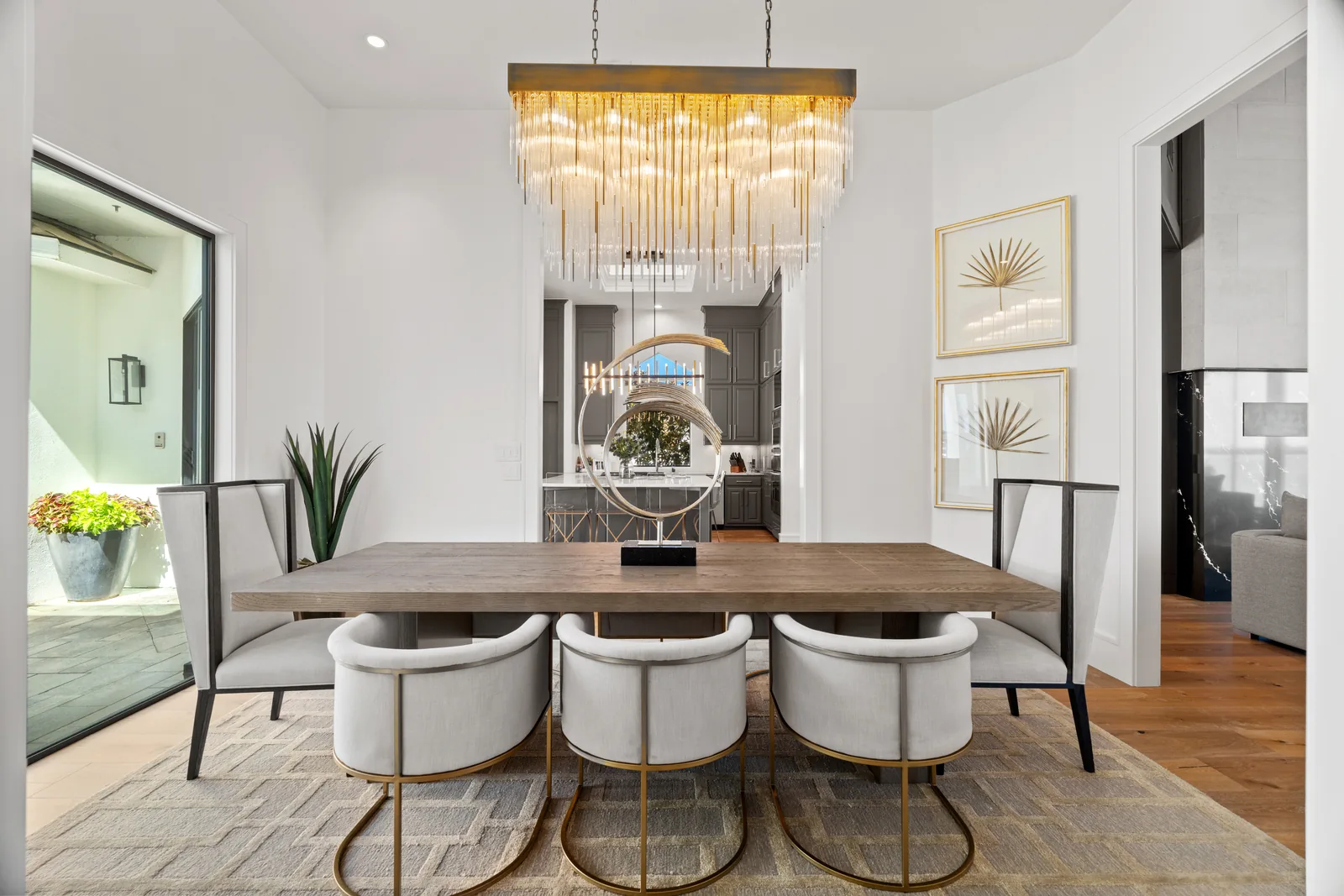
A gallery works when wide views and meaningful details support one another.
Your next project
Give the listing a clear beginning.
Tell us what makes this property worth seeing and where the images will be used.