A year is more than 52 identical weeks
How Much Do Real Estate Photographers Make a Year?
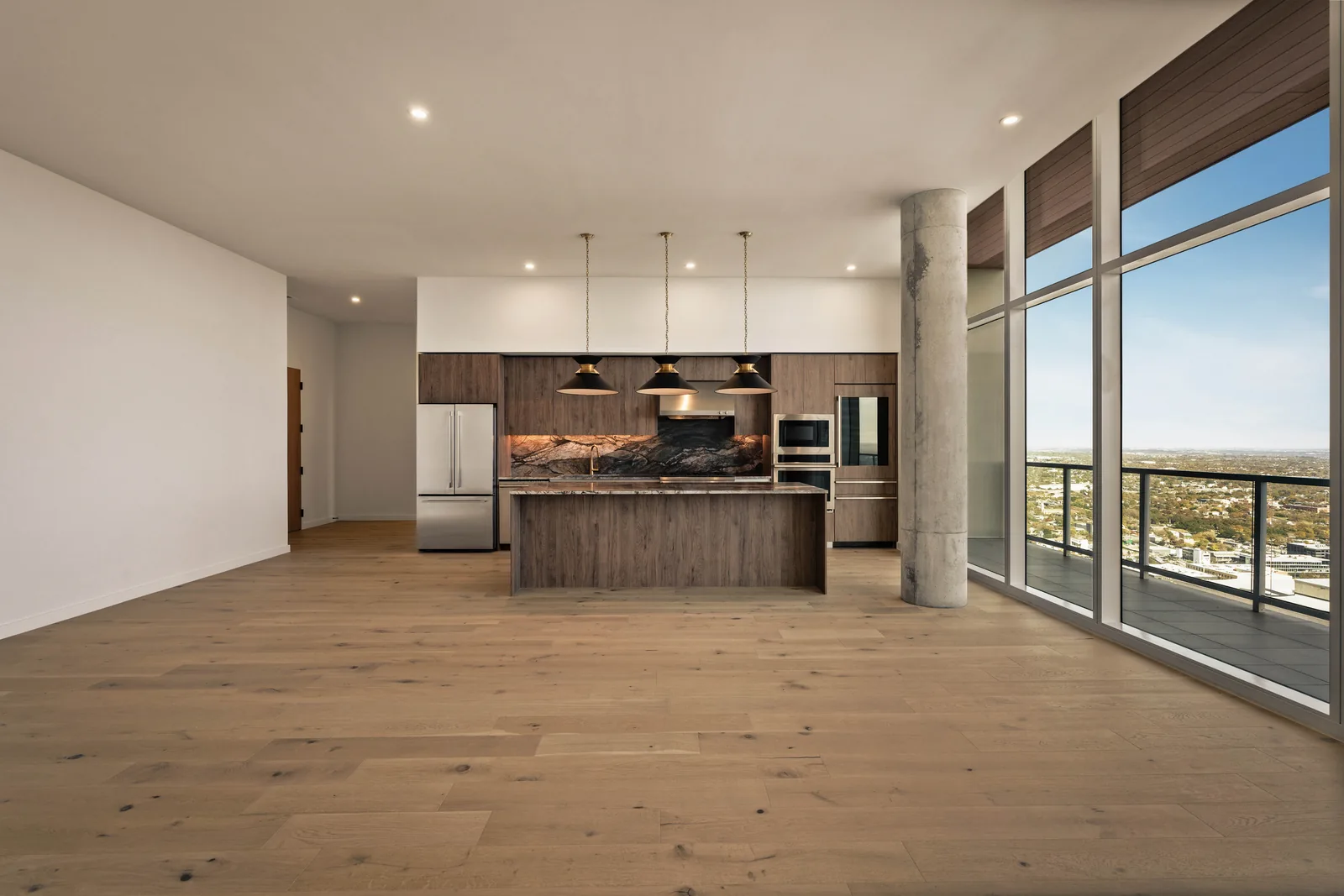
For a self-employed real estate photographer, annual income depends on collected assignments and costs across the whole year. In the hypothetical model below, 240 paid jobs at $300 produce $72,000 in revenue and a $39,600 remainder after the stated operating costs, before the owner’s personal taxes and compensation for their own labor. Those are planning assumptions, not reported industry earnings.
First decide which annual number you need
An employee’s annual compensation is pay under an employment arrangement. A freelancer’s gross revenue is customer money collected before costs. A studio owner’s operating remainder follows business expenses and still needs to be interpreted alongside owner labor, taxes and cash retained in the business.
Use the photographer earnings guide for the distinction and a dated broad occupational wage benchmark. Do not multiply a general photographer hourly wage into a specialist’s assumed annual salary or treat customer invoices as take-home pay.
Build the full-year calculation
For this hypothetical solo business, assume 240 completed, paid assignments at a collected average fee of $300. Annual gross revenue is 240 times $300, or $72,000. Use the actual average across the work delivered rather than the highest package on the menu.
Assume direct costs of $60 per assignment: 240 times $60 is $14,400. Add $18,000 in annual overhead, which in this planning example covers items such as insurance, software, equipment allowance and business administration expenses. The calculation is $72,000 minus $14,400 minus $18,000, leaving $39,600.
This is a budgeting model, not a tax-return calculation. Replace the assumptions with the business’s actual expense structure, including any staff or subcontractor costs. Keep owner compensation and personal-tax needs explicit rather than describing the whole remainder as money available to spend.
Count the year’s labor, not only shoot time
Assume four owner hours per completed assignment for preparation, travel, capture, editing and delivery. That is 960 hours. Add a hypothetical 240 hours of sales and administration, for 1,200 owner hours over the year.
The $39,600 remainder divided by 1,200 is $33 per owner hour before personal taxes. That is an arithmetic measure of this example, not an employee wage. If a longer travel radius or more detailed editing raises the owner hours, the return per hour changes even when annual revenue stays the same.
Test a slower year before relying on the forecast
Keep the $300 average fee, $60 direct cost and $18,000 overhead, but reduce paid assignments to 200. Revenue becomes $60,000, direct costs become $12,000 and the remainder becomes $30,000 before owner compensation and personal taxes. Forty fewer jobs reduce that remainder by $9,600.
Distribute expected work across actual months. Allow for holidays, time off, weather disruption, cancellations and payment delays; do not assume each week matches the busiest one. If records show seasonal demand, use those records rather than asserting a universal Austin busy season. The monthly profitability guide can help test cash needs inside the annual forecast.
Rebuild the forecast when the service mix changes
Adding aerials, tours or video can change the average fee, but it also changes costs and capacity. Estimate each service’s paid volume, production hours and expenses before combining the totals. A twilight assignment that requires another visit occupies different time from an additional still image captured during an existing appointment.
Treat workshops, prints or licensing as separate potential income lines only when there is a real offer, demand and permission to supply them. Do not add speculative side income to make the forecast balance. Review actual collections and hours against the plan regularly so the next annual estimate reflects the work the business can deliver.
Selected portfolio
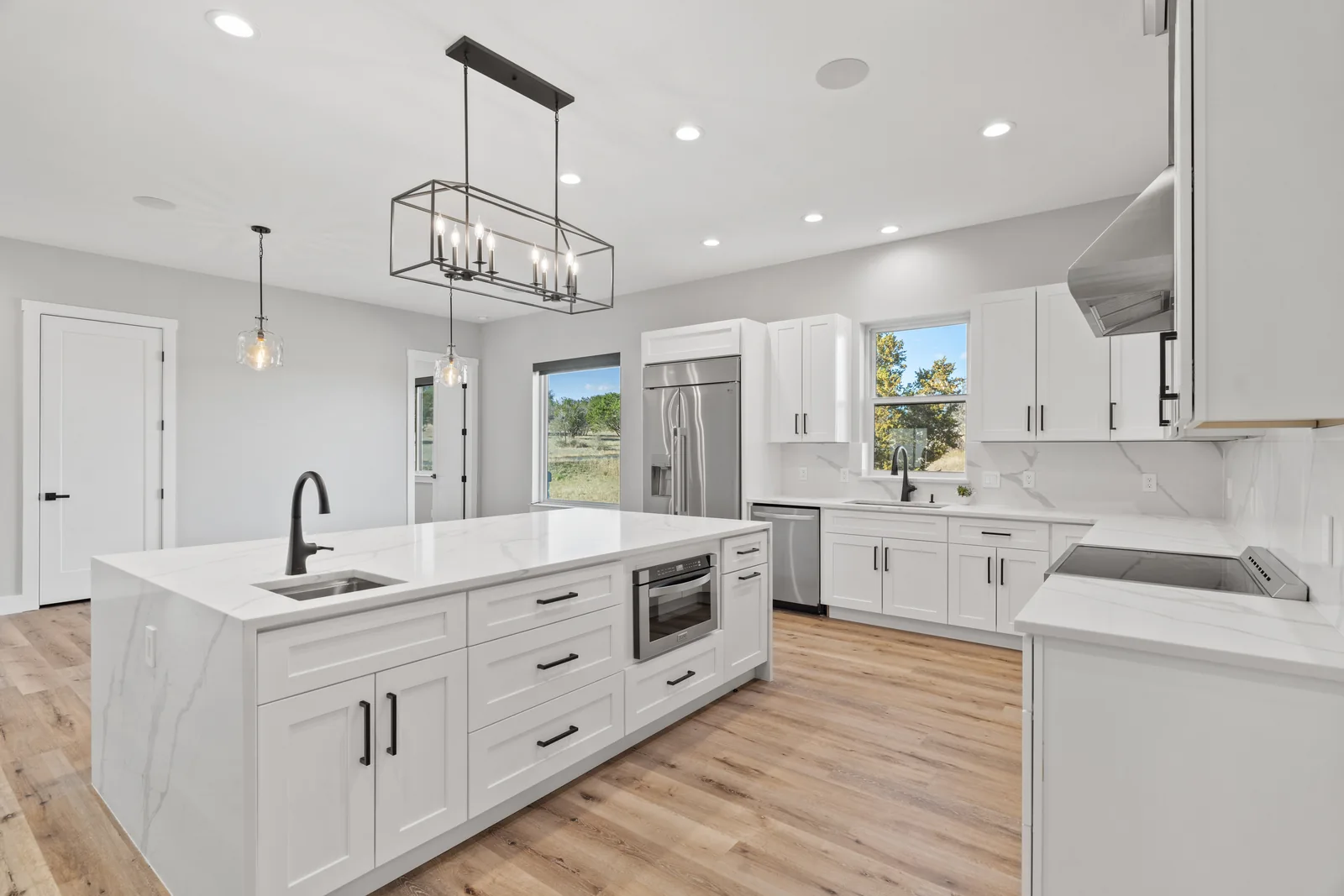
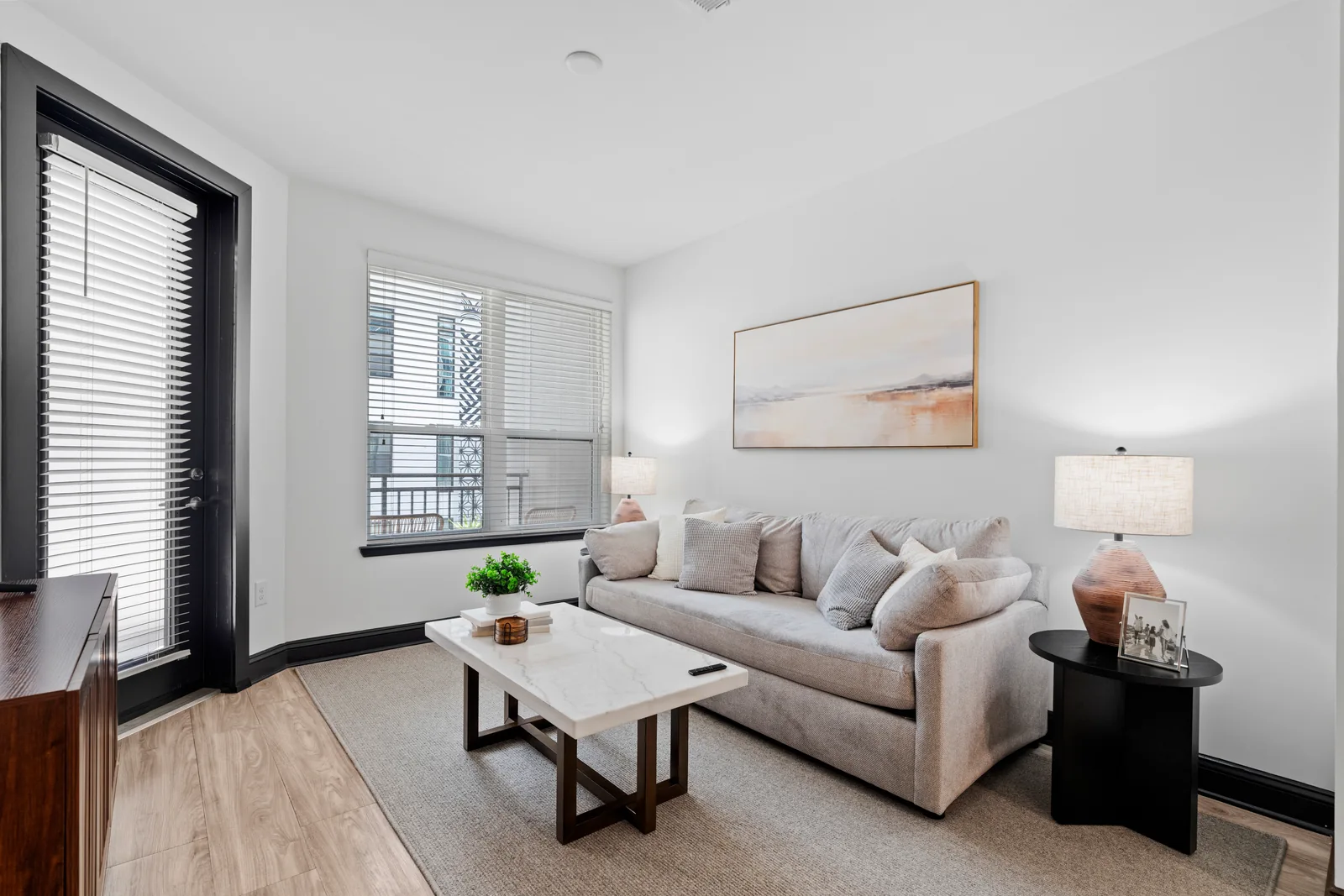
A portfolio reflects assignments, not earnings.

Explore the process
A thoughtful brief comes first.
Use the per-house worksheet to build the assignment assumptions behind an annual forecast.