The whole place, in perspective
Ranch Photography

A ranch listing asks buyers to picture more than a house. They need to see the sweep of the land, how the improvements sit within it, and the details that make the property feel like a place.
Good ranch photography gives people their bearings first, then invites them to look closer. A wide view can establish the setting; ground-level photographs can show what it is like to arrive, walk the property, and spend time there.
Make the scale understandable.
Open acreage, tree cover, water features, buildings, and access points all belong in the visual story when they are part of the property. Aerial photography can help explain the relationship between these features. It should complement, not replace, the views a visitor would have on the ground.
Give the improvements their due.
The home may be the center of the listing, but barns, workshops, fences, outdoor gathering spaces, and trails can be just as important to understanding a ranch. Photograph the details that are actually there, then arrange the images so buyers can follow a clear path through the property.
Work with the light.
Changing light is part of photographing large outdoor spaces. HDR can retain detail across bright skies and shaded land; flash can help balance a darker interior. Used with restraint, both techniques help the photos feel natural while still showing the property clearly.
Before the camera comes out
Plan for the full tour.
Start with the views and improvements a buyer should understand. Note where access is needed and which areas are best seen at particular times of day. That preparation helps a shoot move from a small ranch home to larger acreage without losing the features that make each property distinct.
For some listings, still images tell the story. Others benefit from a 3D tour of the interiors or a video that carries viewers across the land. Our ranch and land photography can be shaped around the property and the way you plan to present it.
A sense of place
The views between the landmarks.
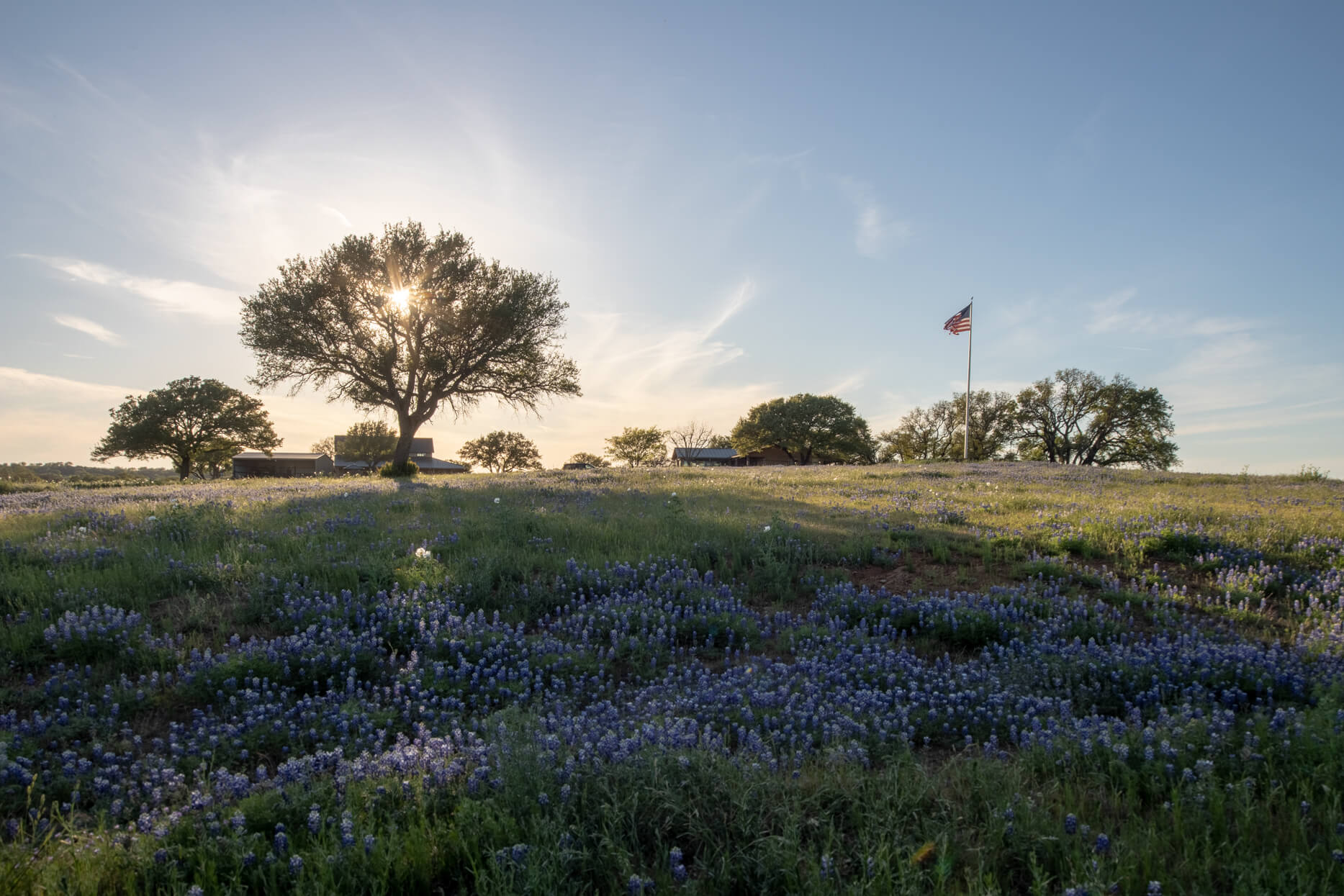
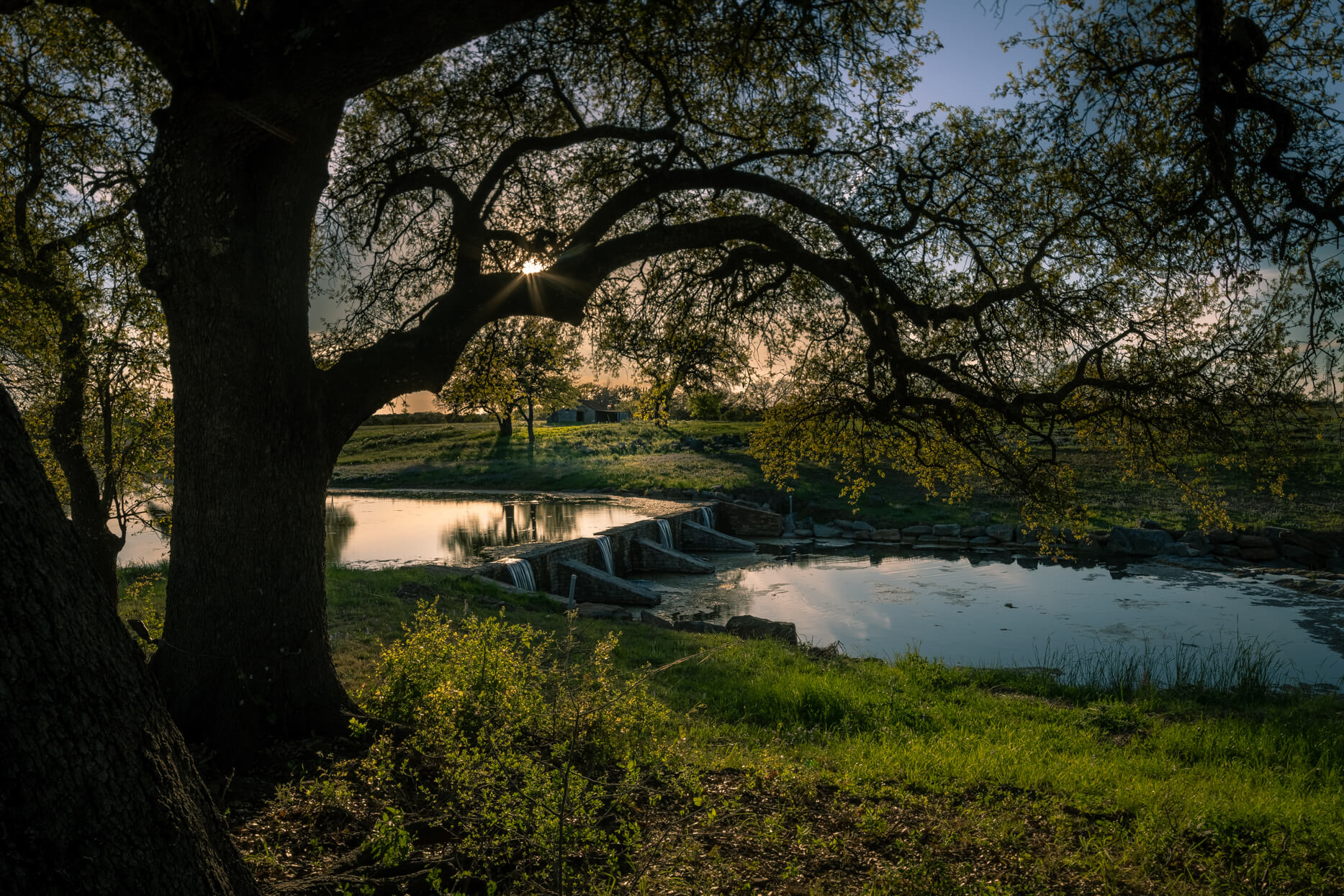
Before you book
Work out the route before the capture day.
Large acreage can make access a production issue. Share gate locations and codes, usable tracks, terrain, distances between improvements, and any areas that require an owner or manager to accompany the team. Identify where ordinary vehicle access may not be enough.
Ask what transport, staffing, or site support the assignment requires rather than assuming particular 4×4 vehicles or an off-road unit are supplied for every shoot. Arrange access to homes and working buildings separately from the route across the land.
Aerials can explain the wider setting, while ground views, video, or a 3D tour of interiors provide other kinds of detail. Request a ranch-specific quote around the route, shot list, and final deliverables; confirm the schedule and access plan before committing to a release date.

Make the whole place visible
Show the land.
Tell the whole story.
Photography that brings the scale and character of your ranch together.